We choose outfits to help us fit in – to our expected roles, to our friend group, to our career aspirations. But what if we can’t fit into those outfits, or they don’t fit us?
It's not just me
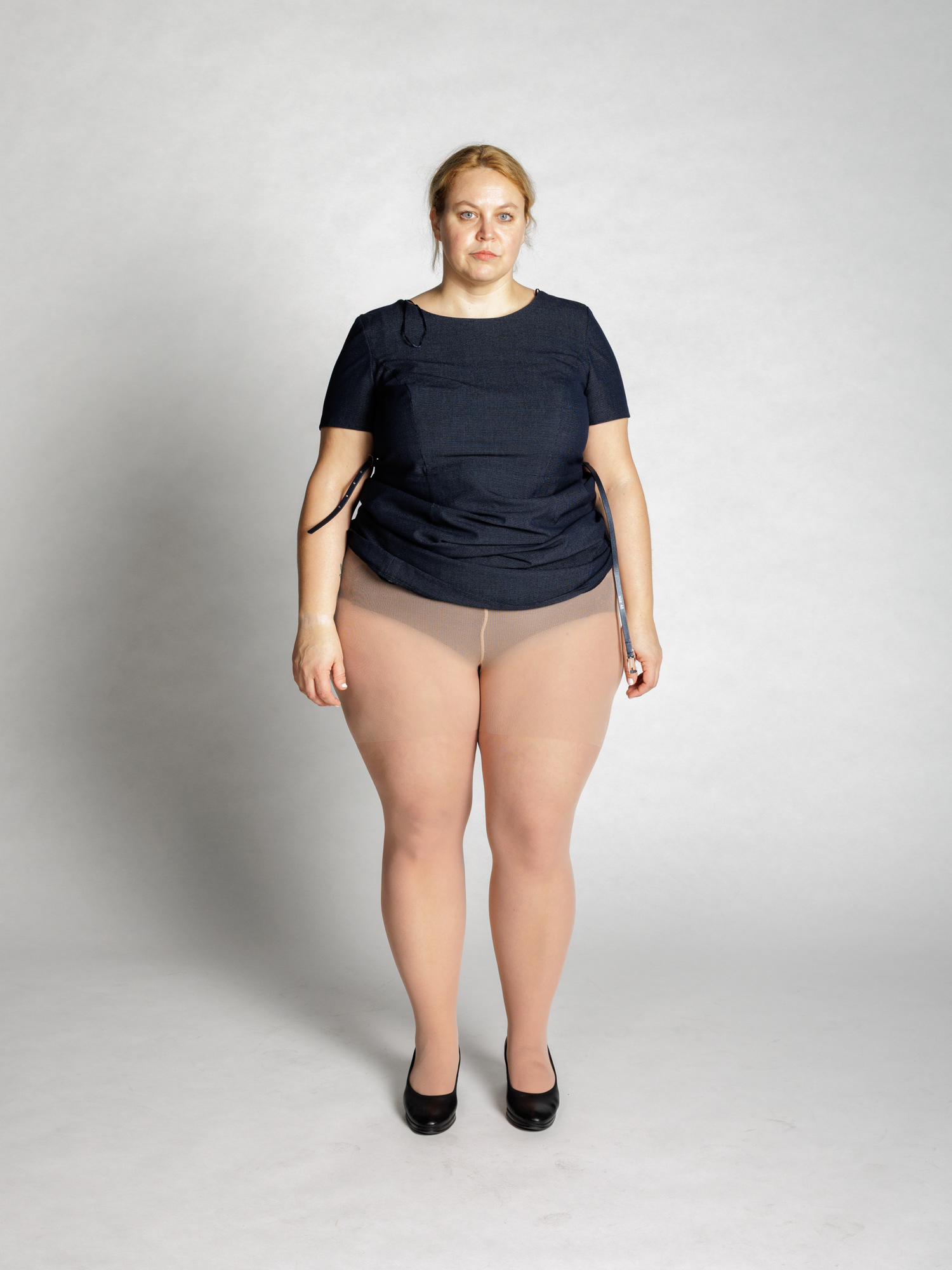
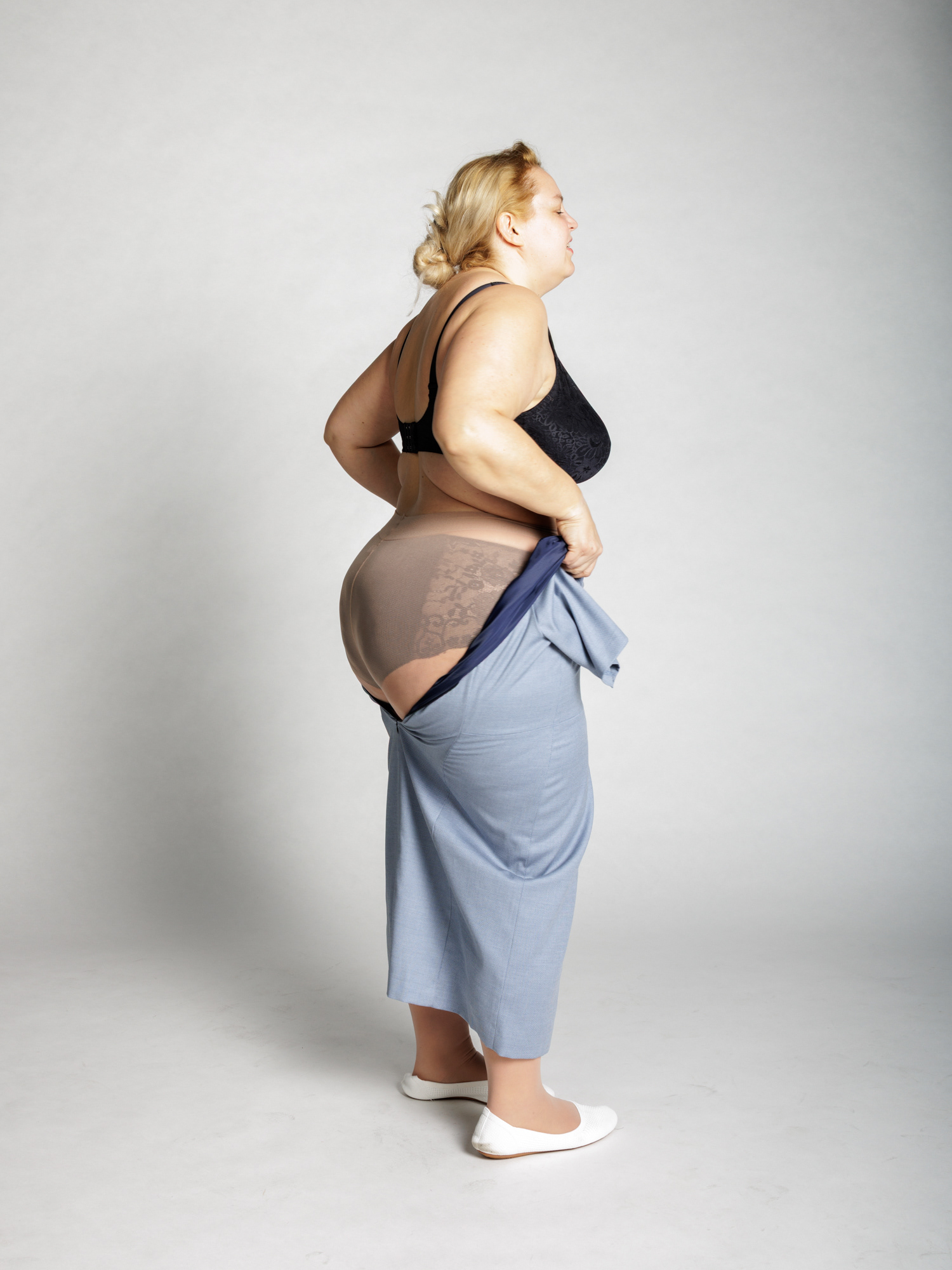
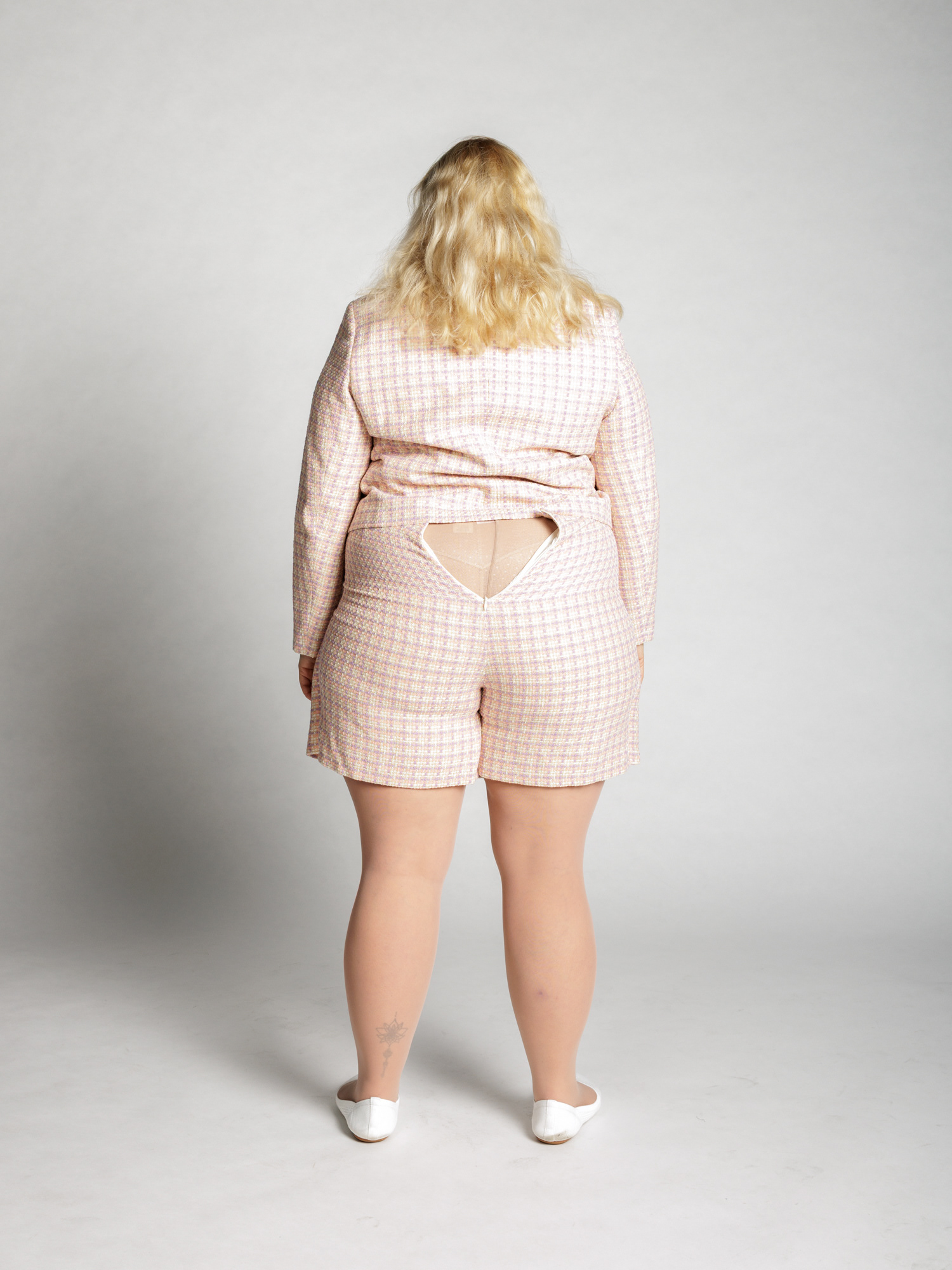
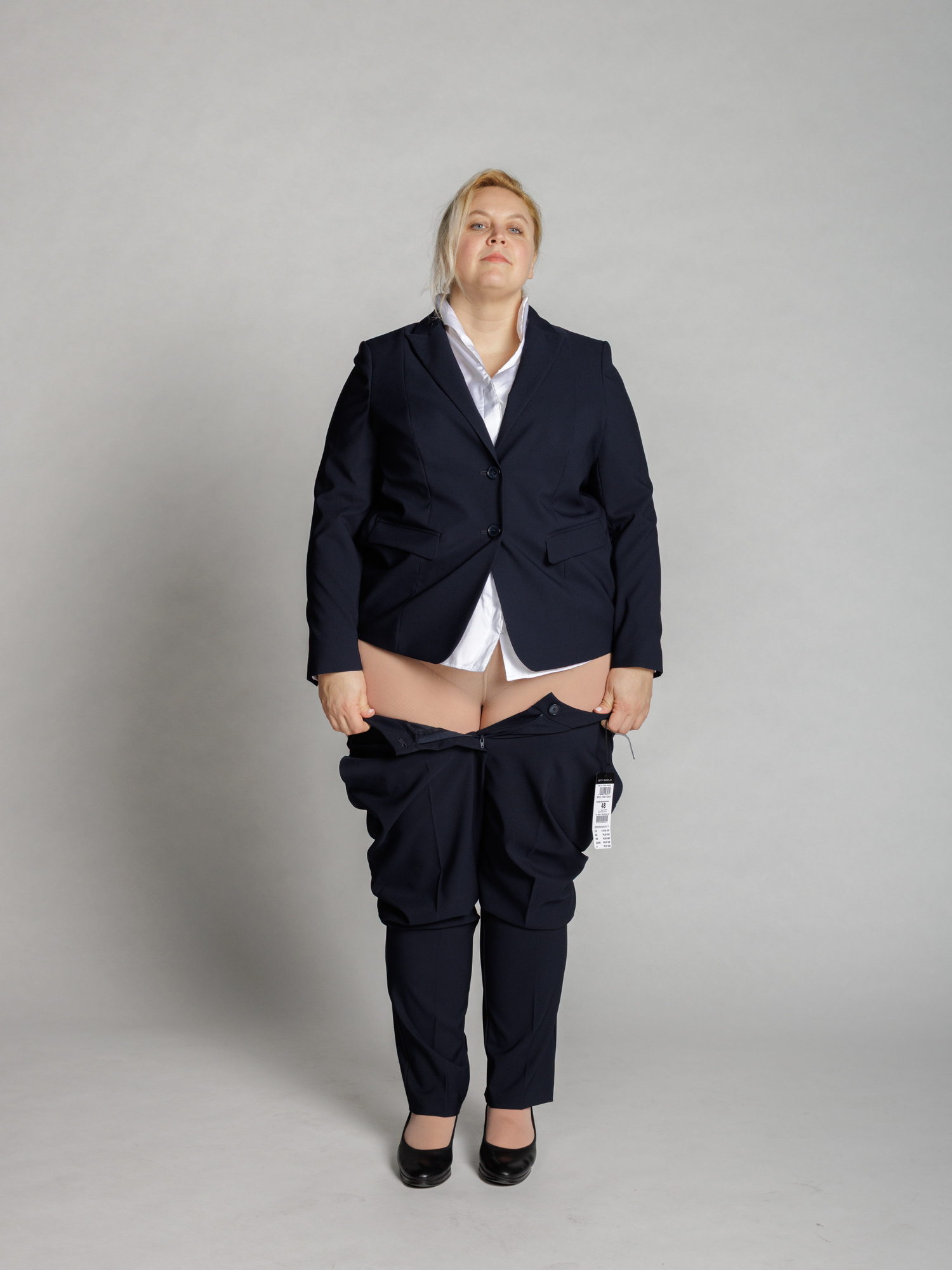
You can never go wrong with jeans and a white T-shirt
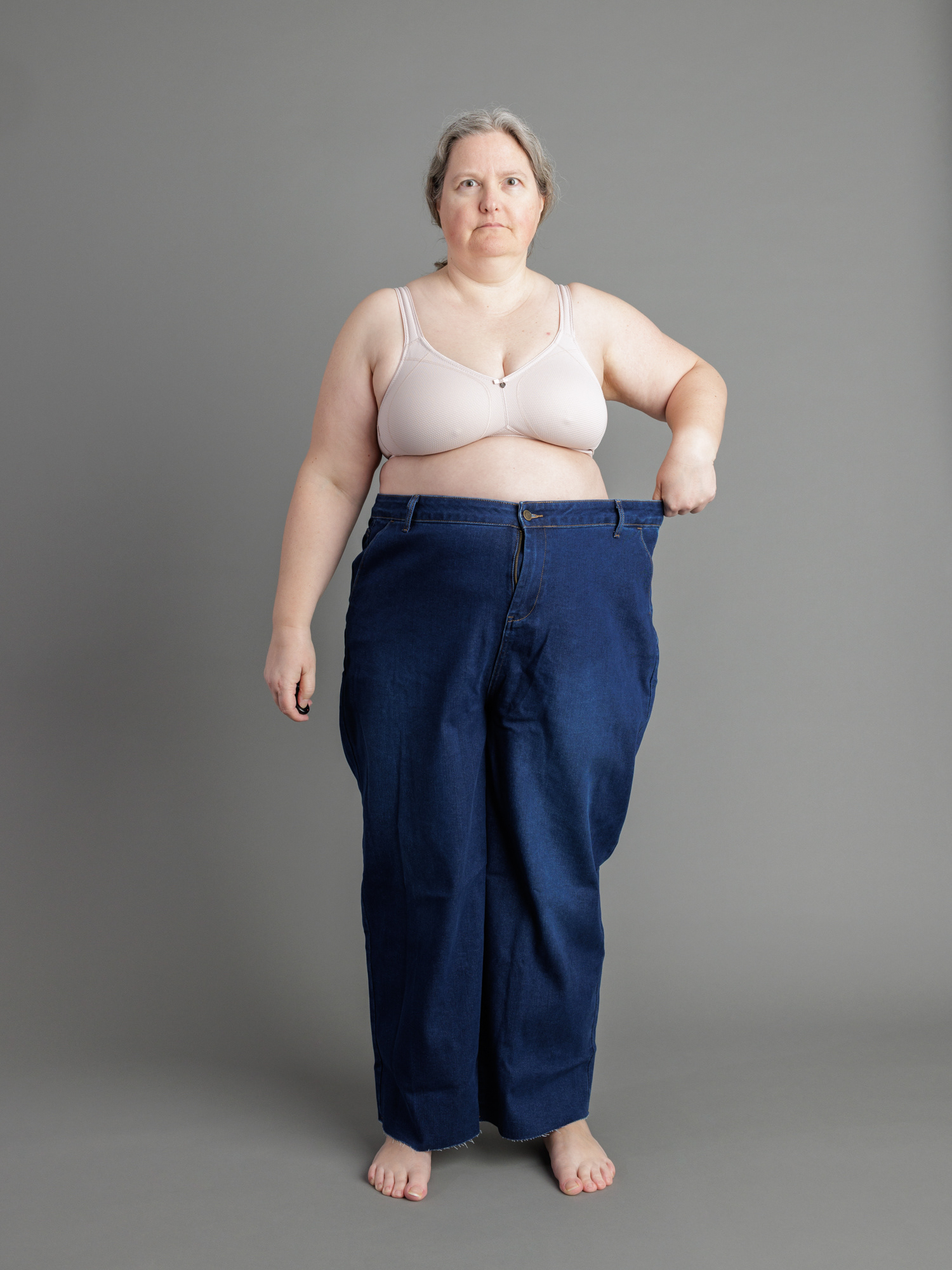
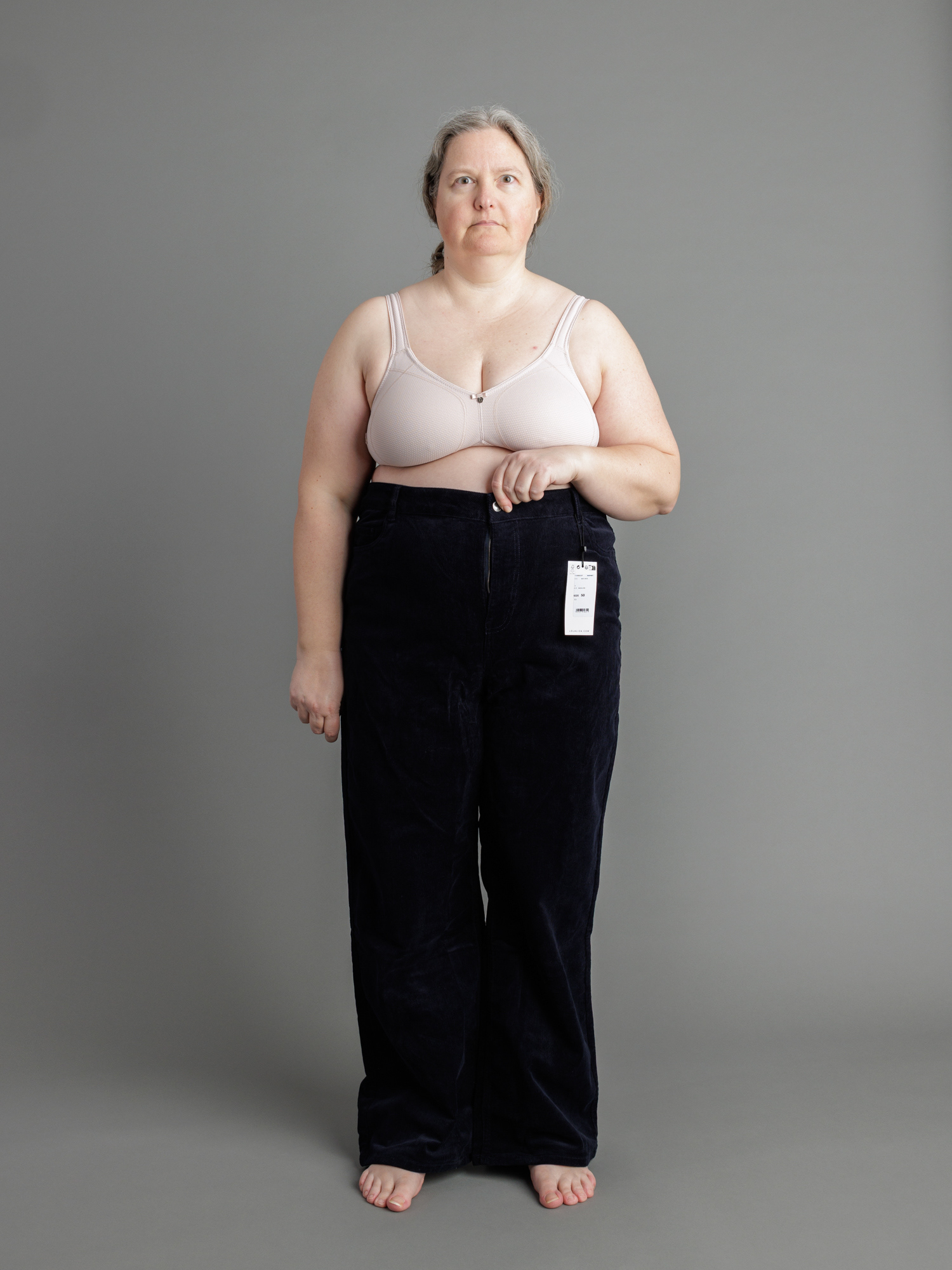
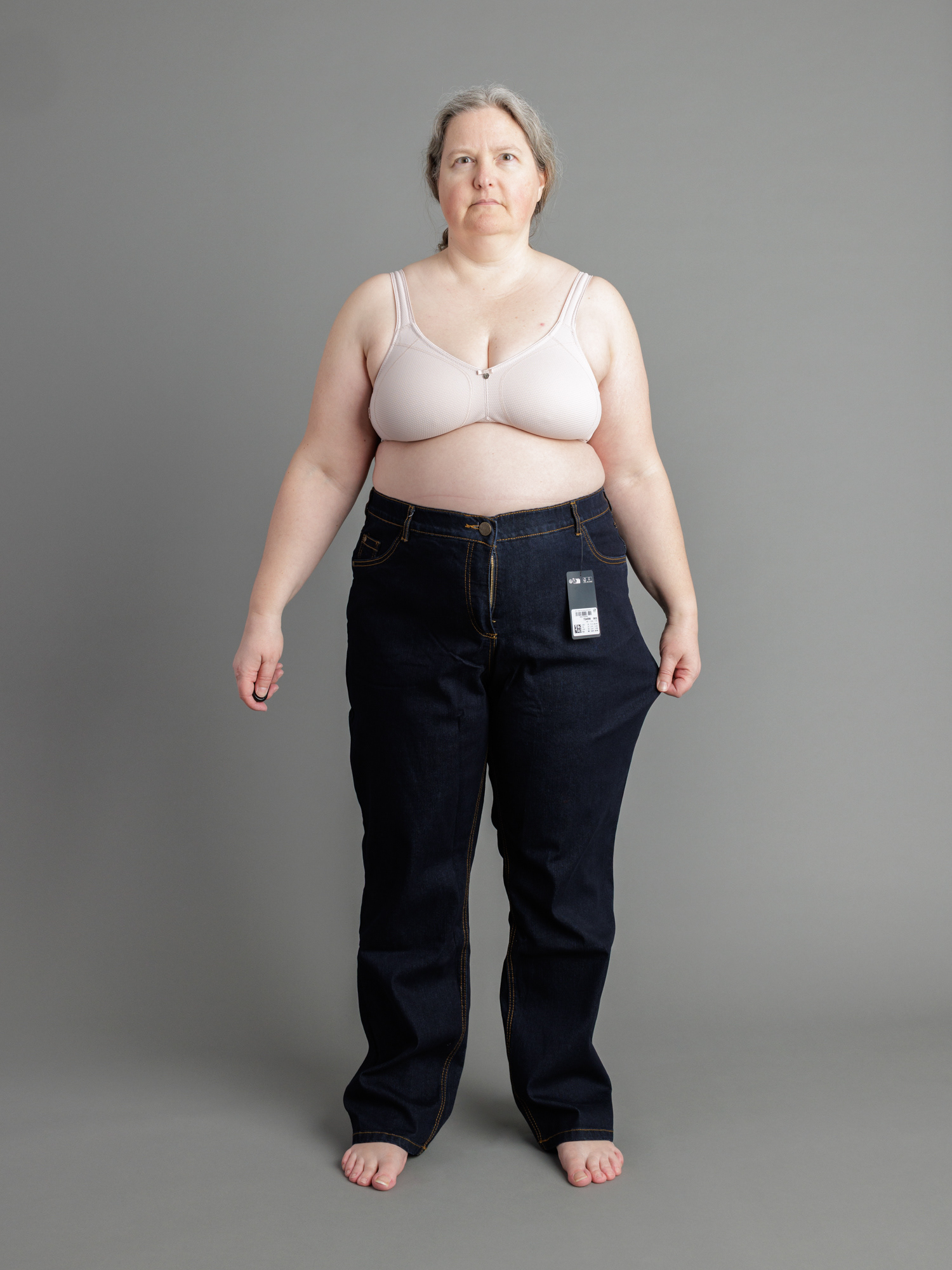
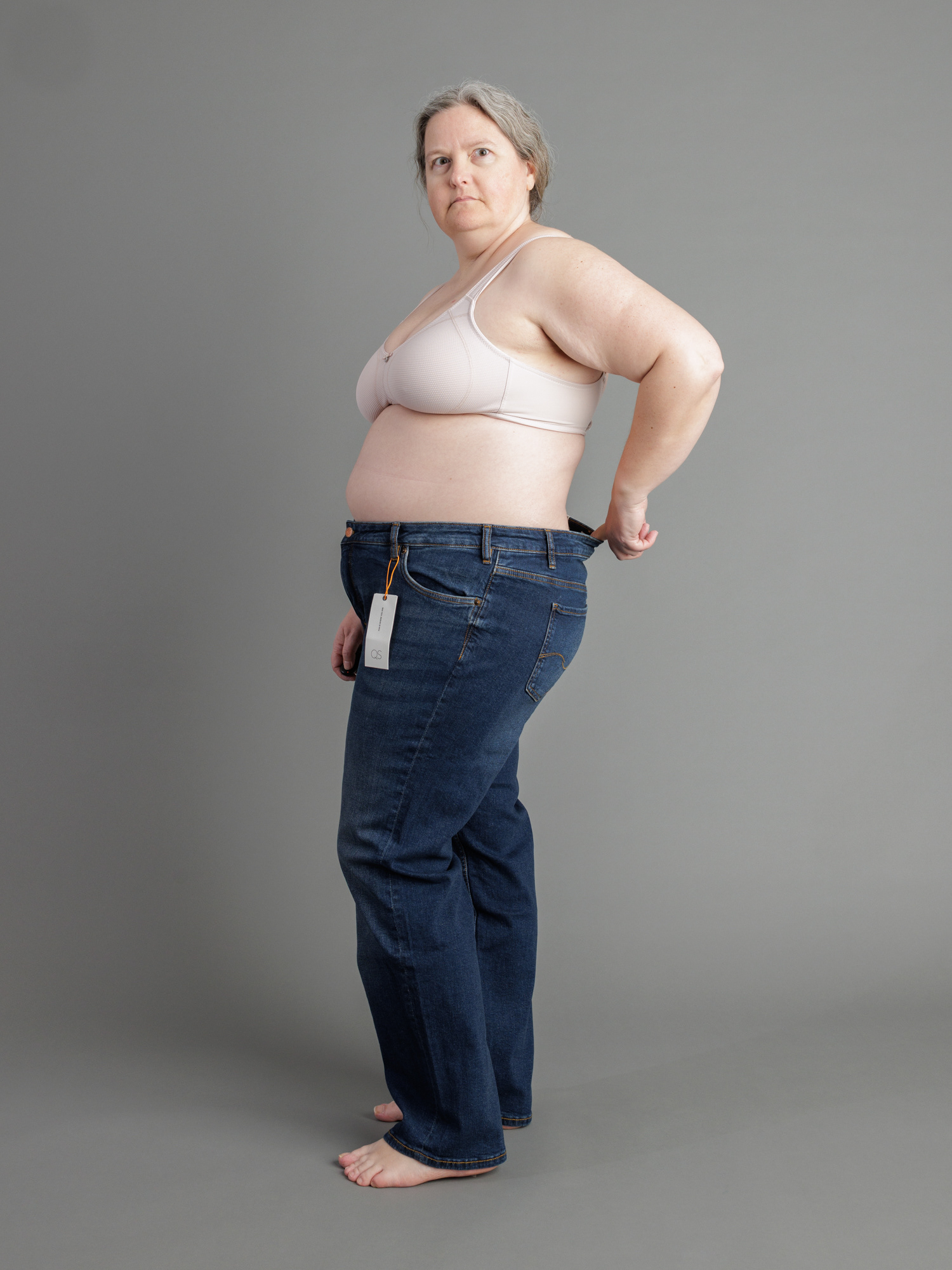
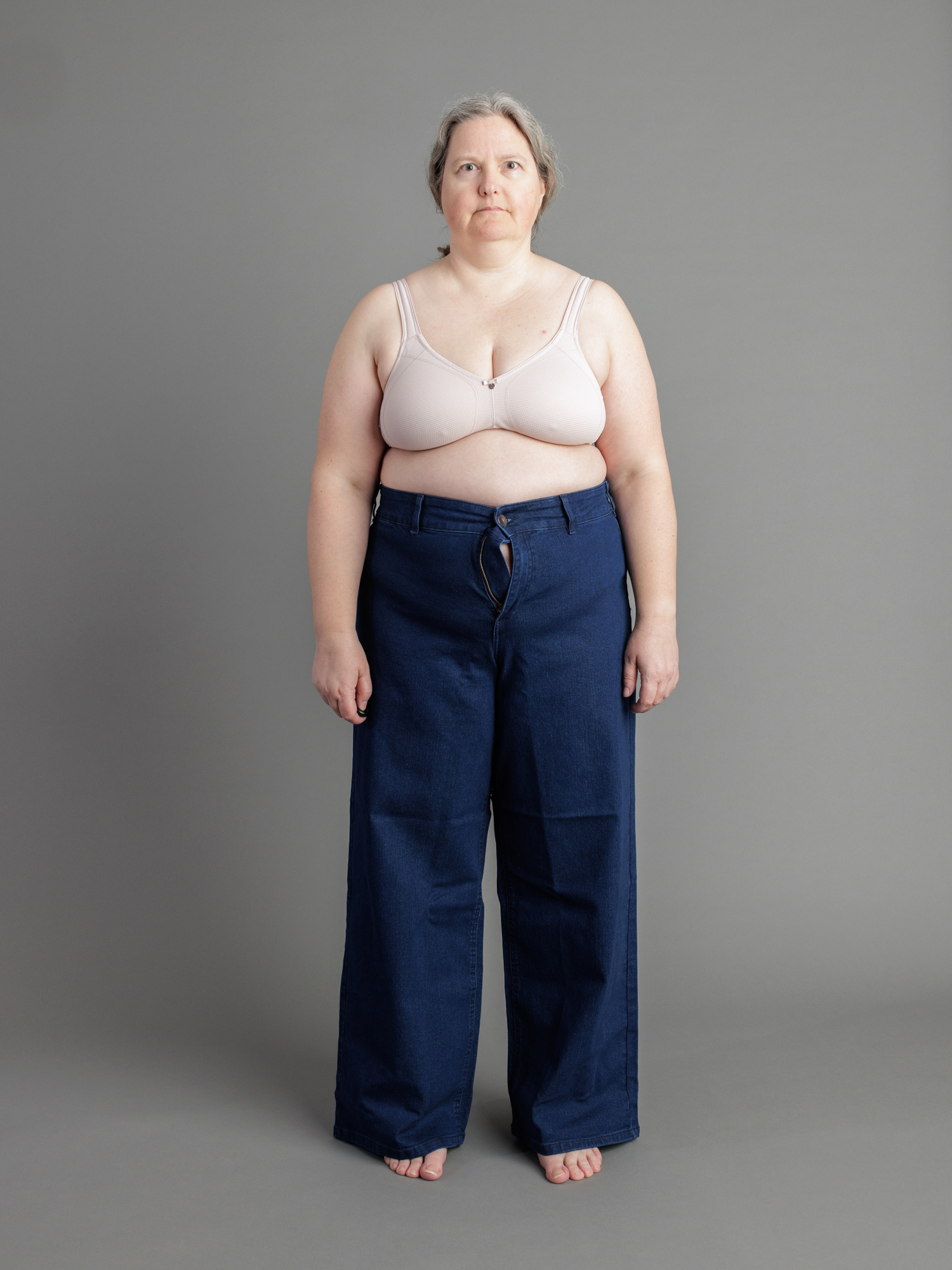
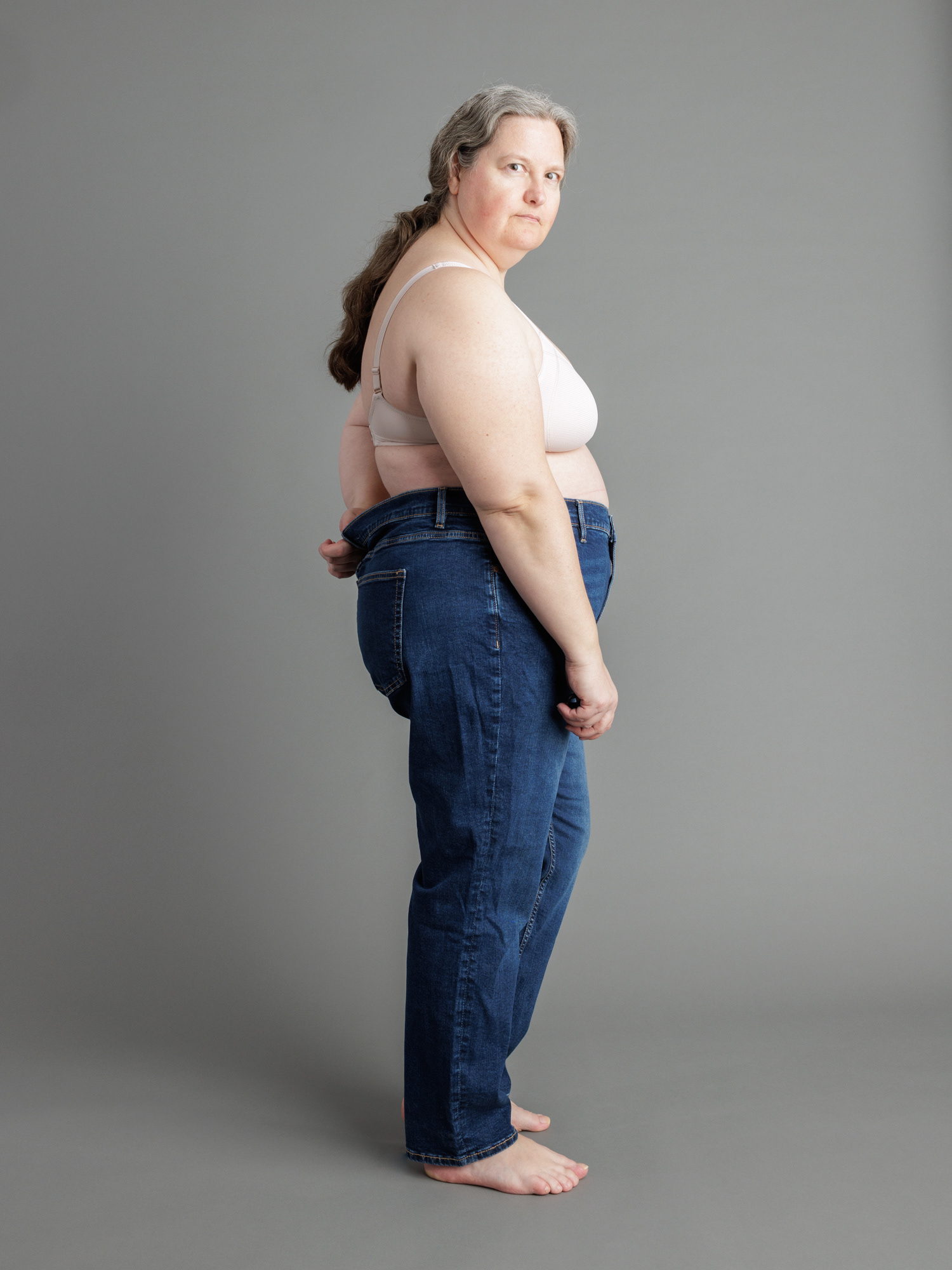
- XL -
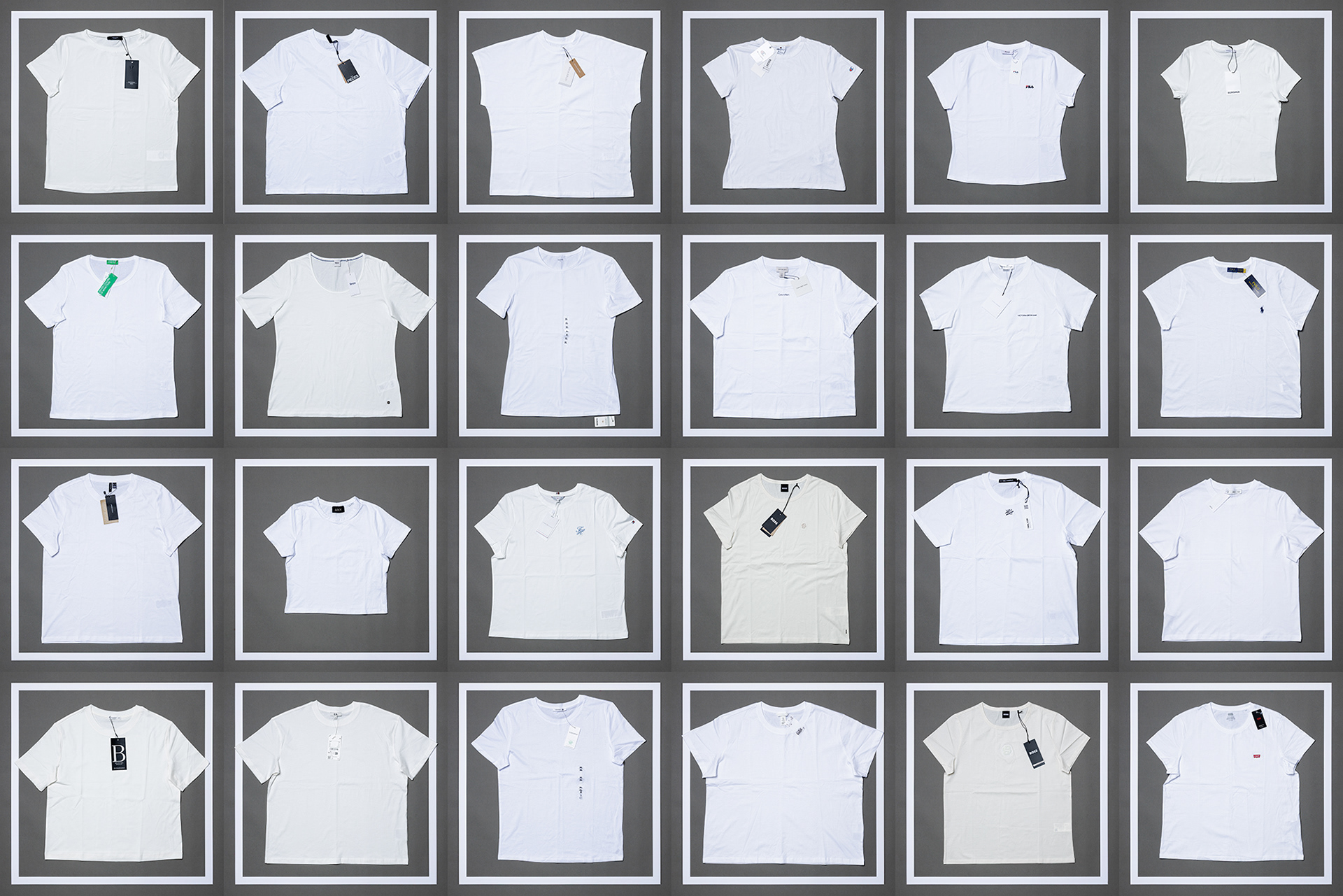
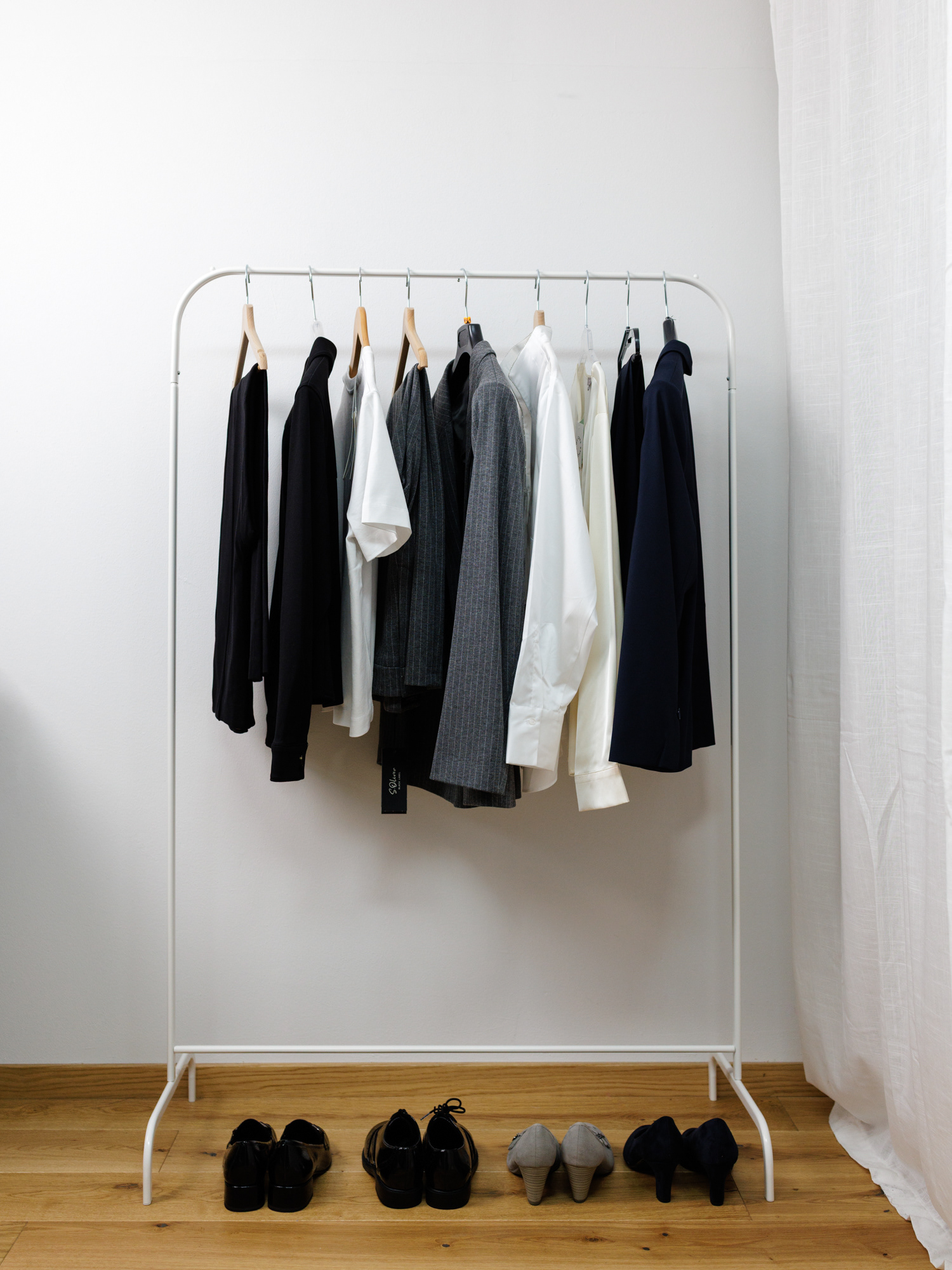
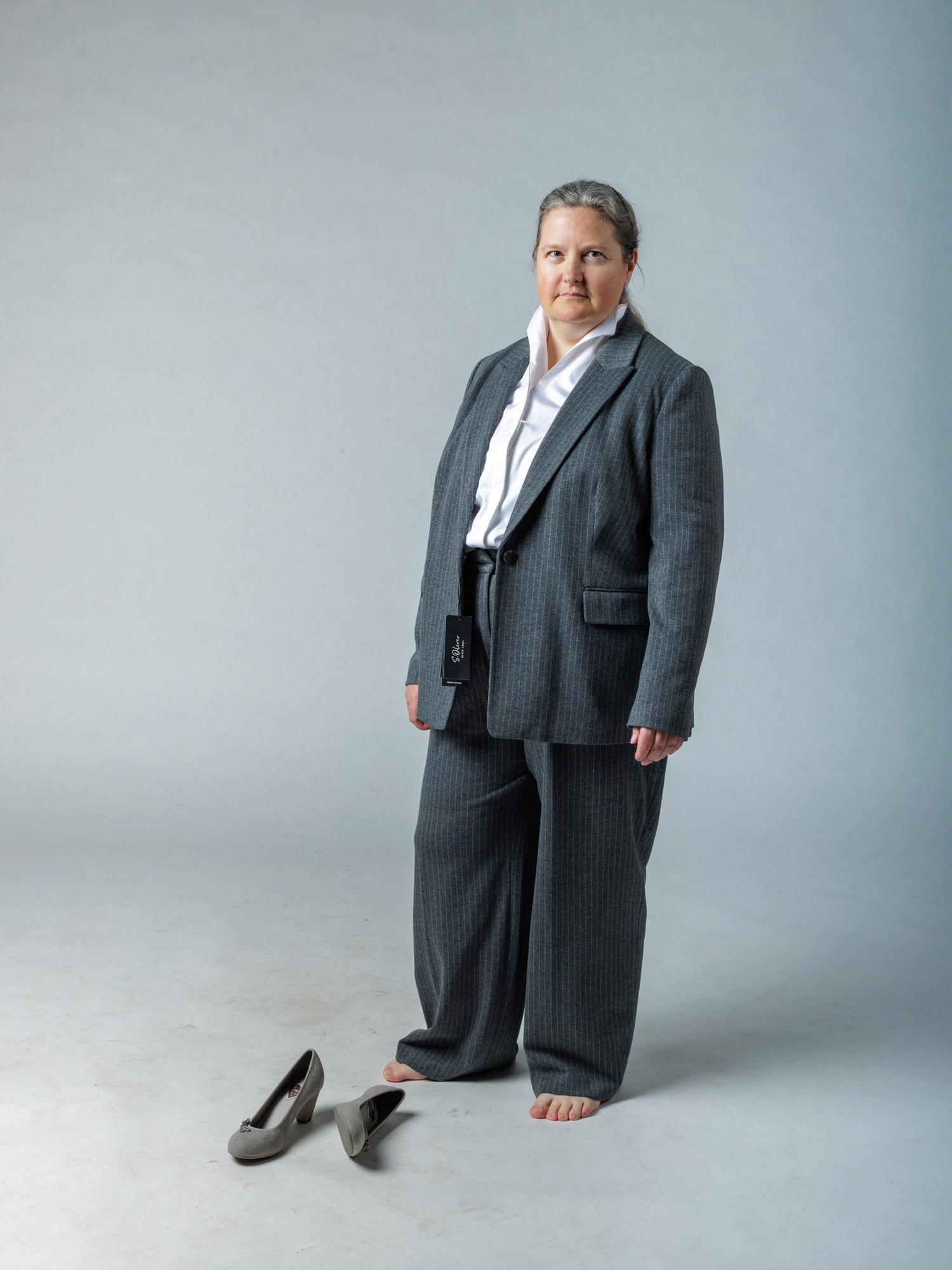
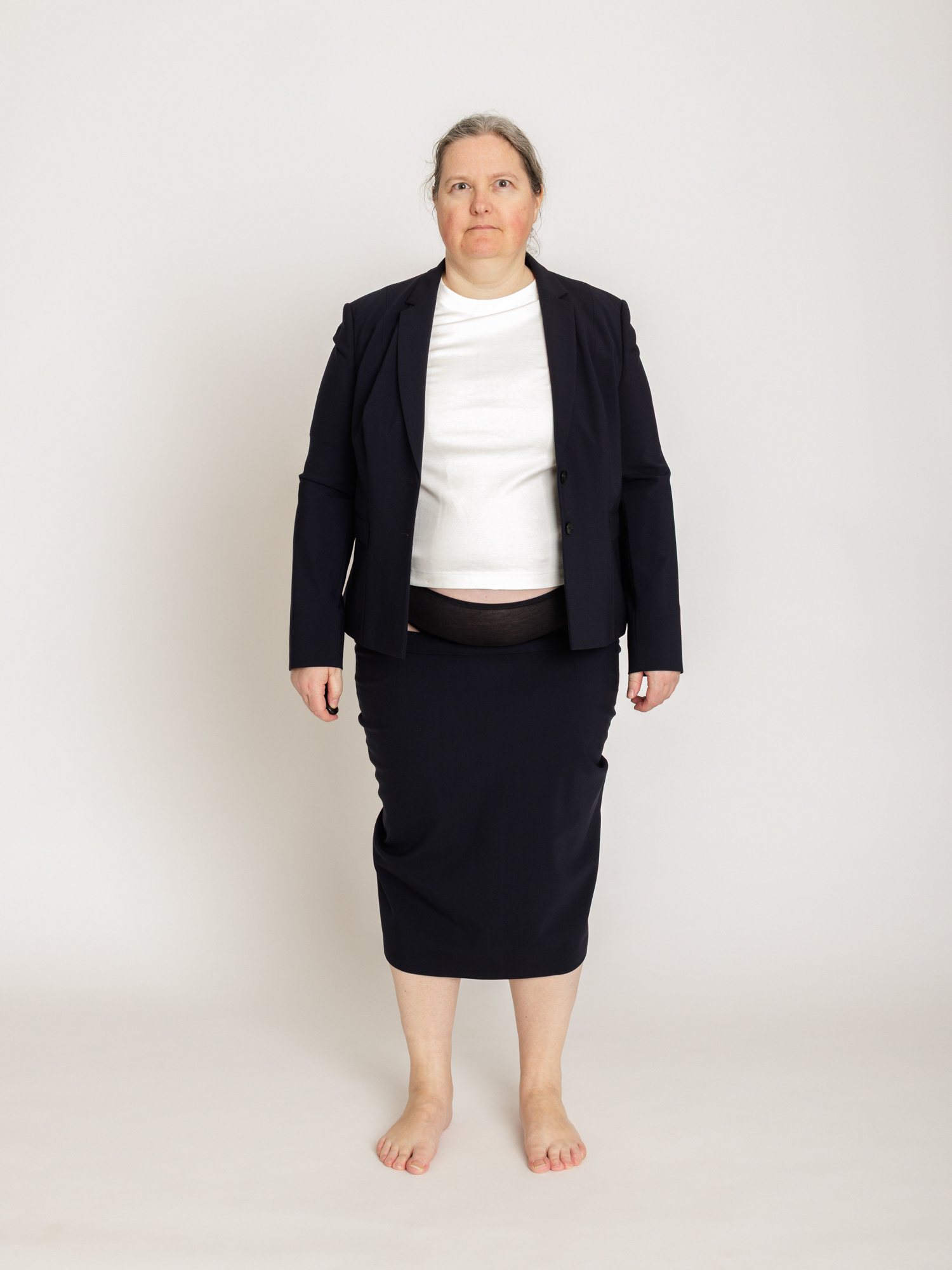
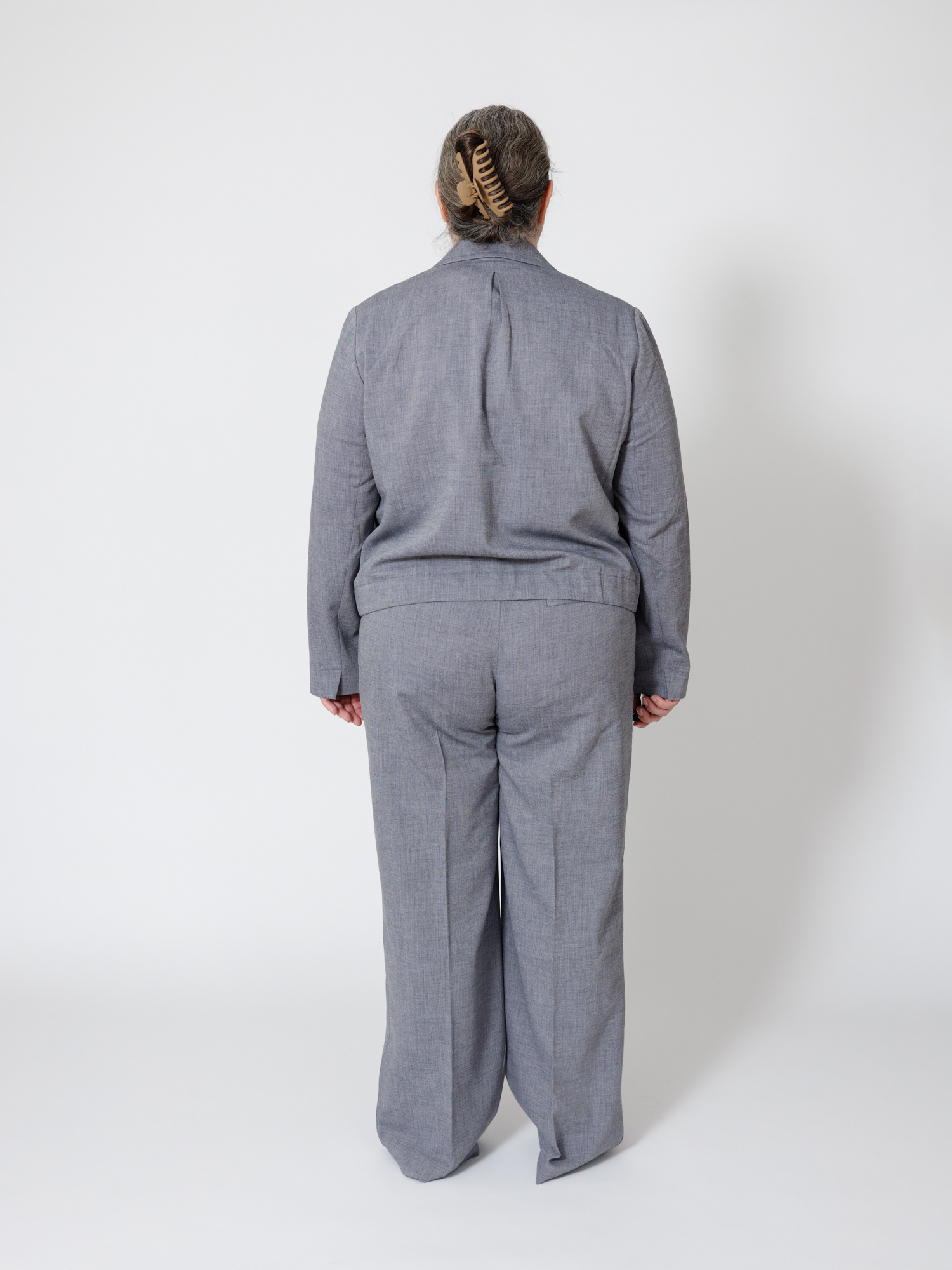
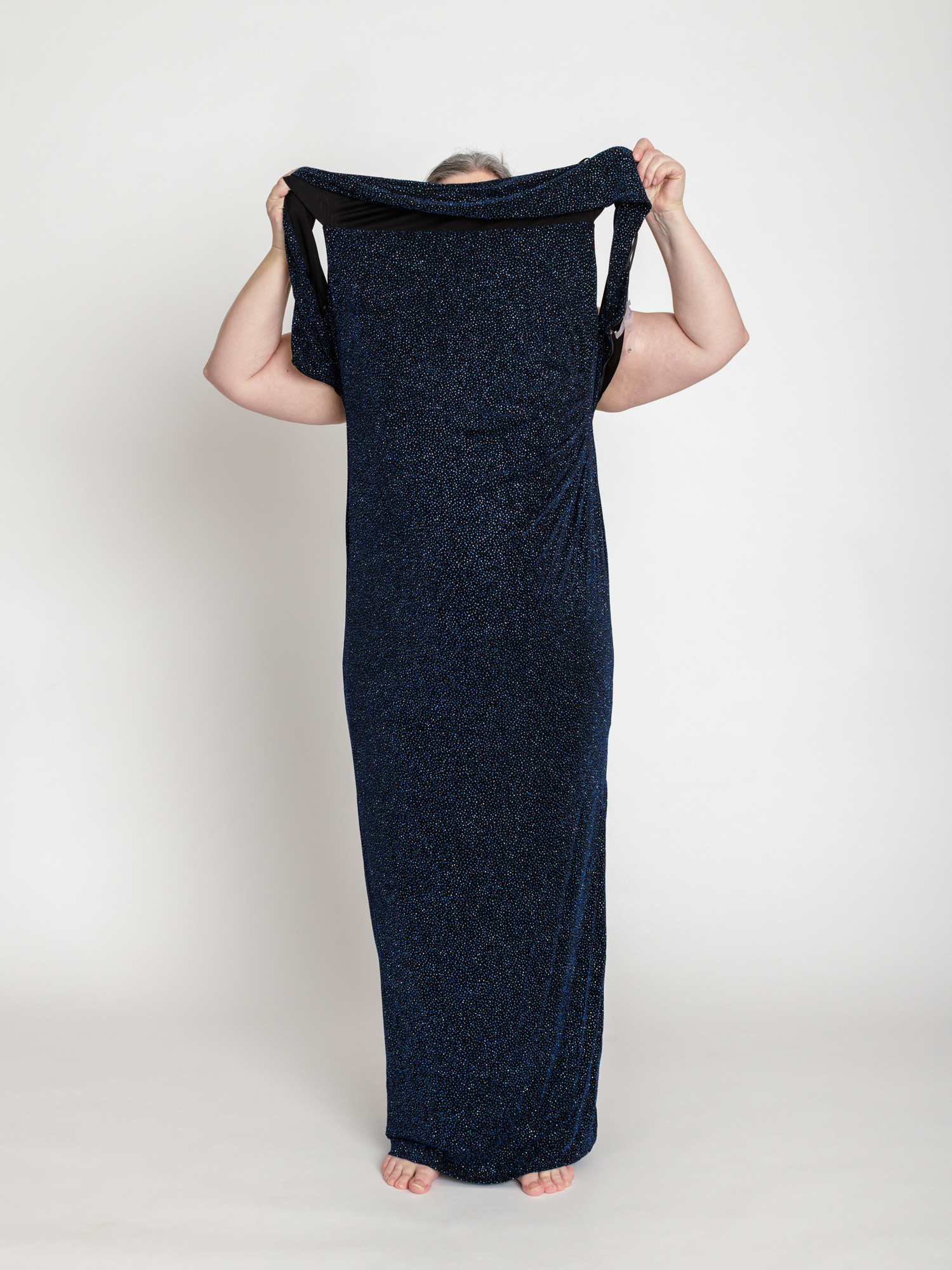
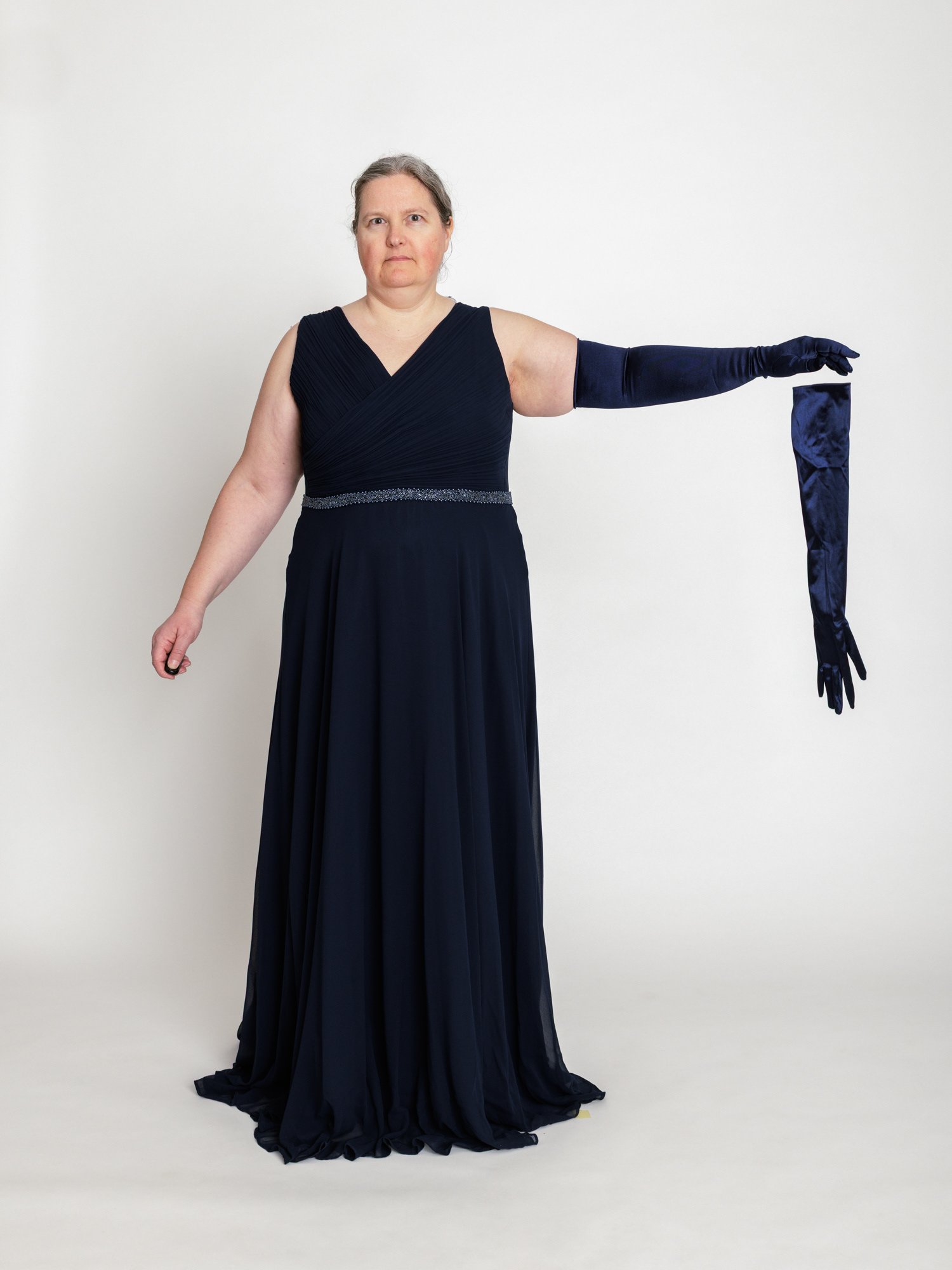
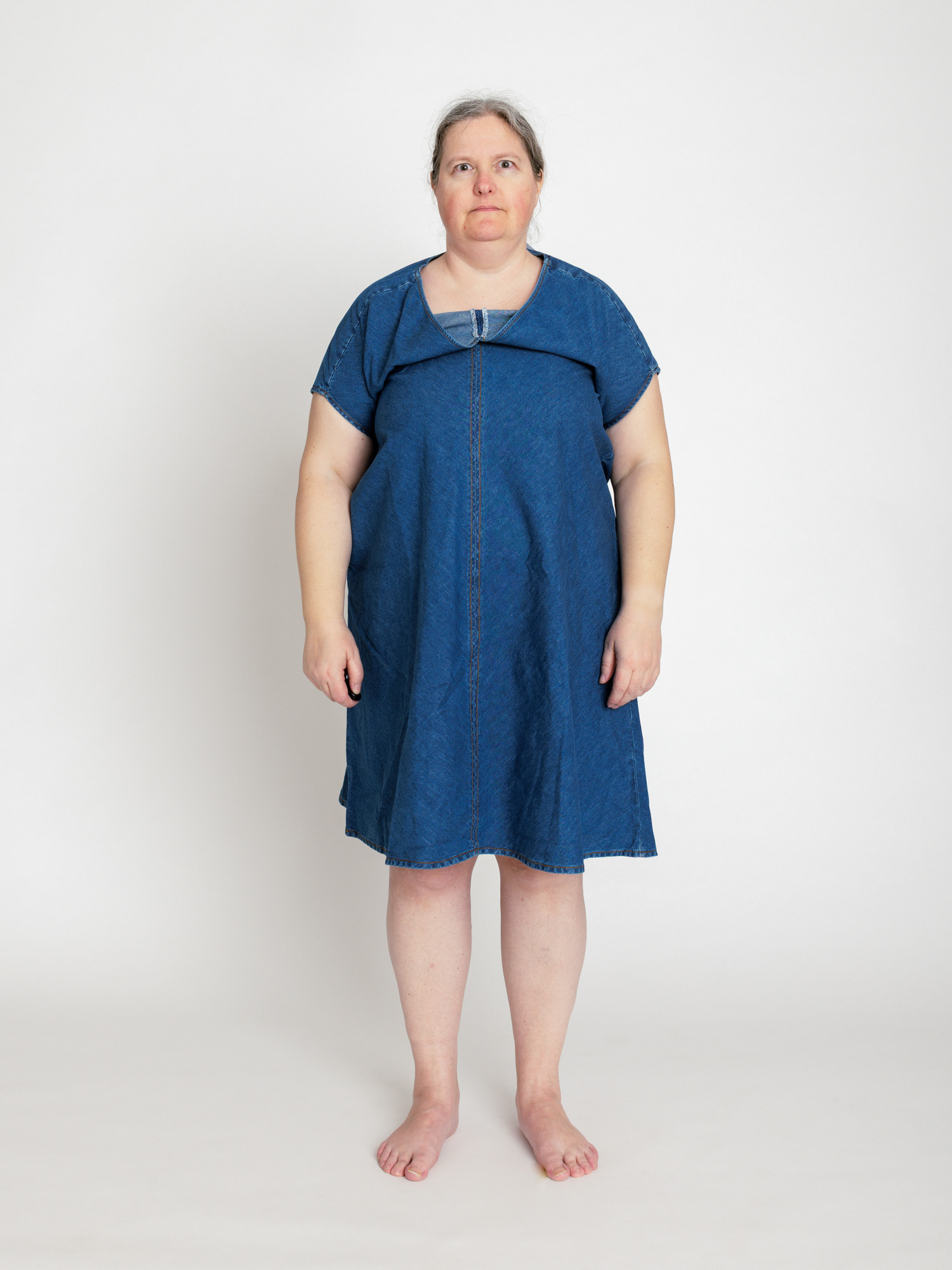
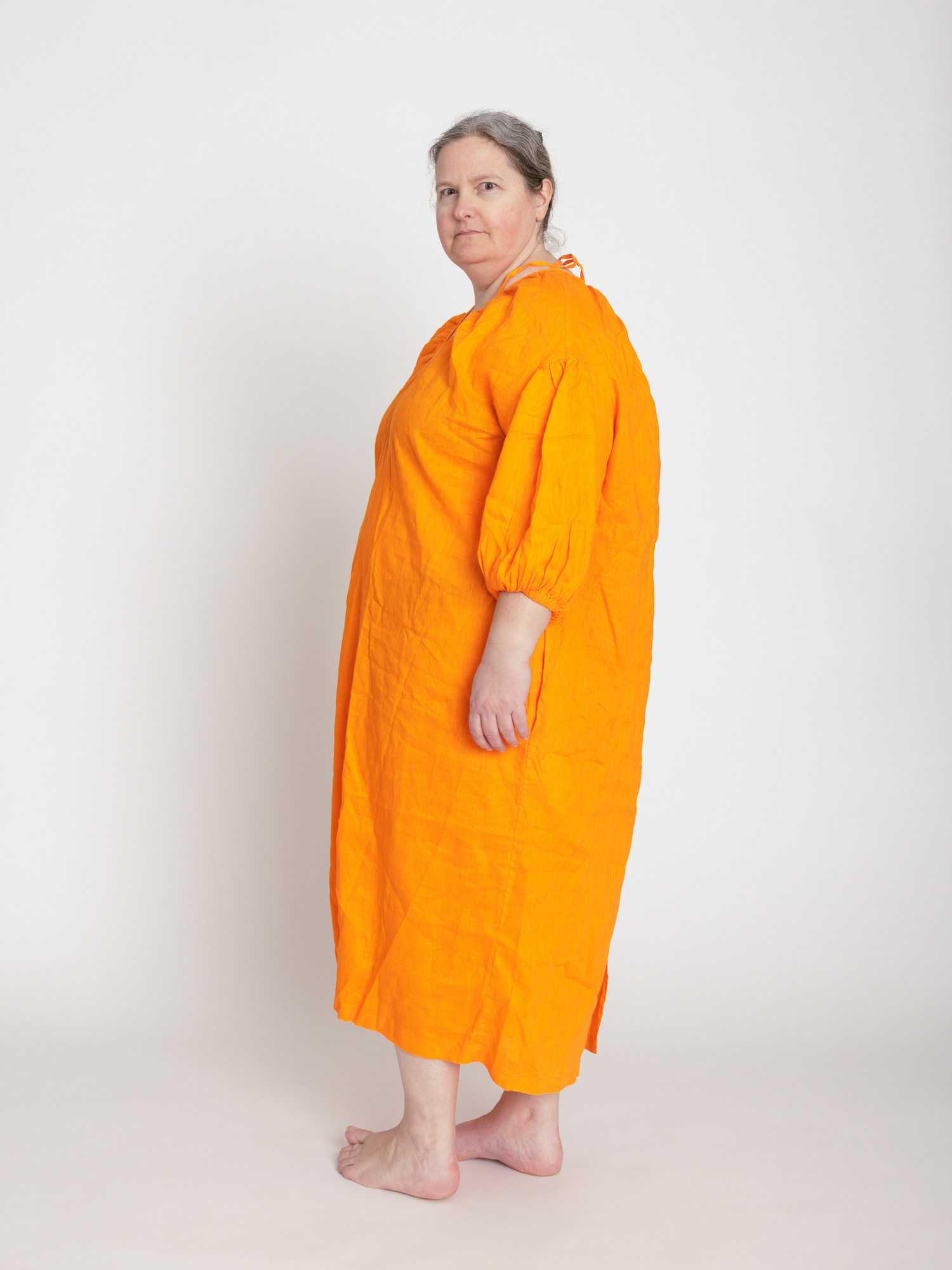
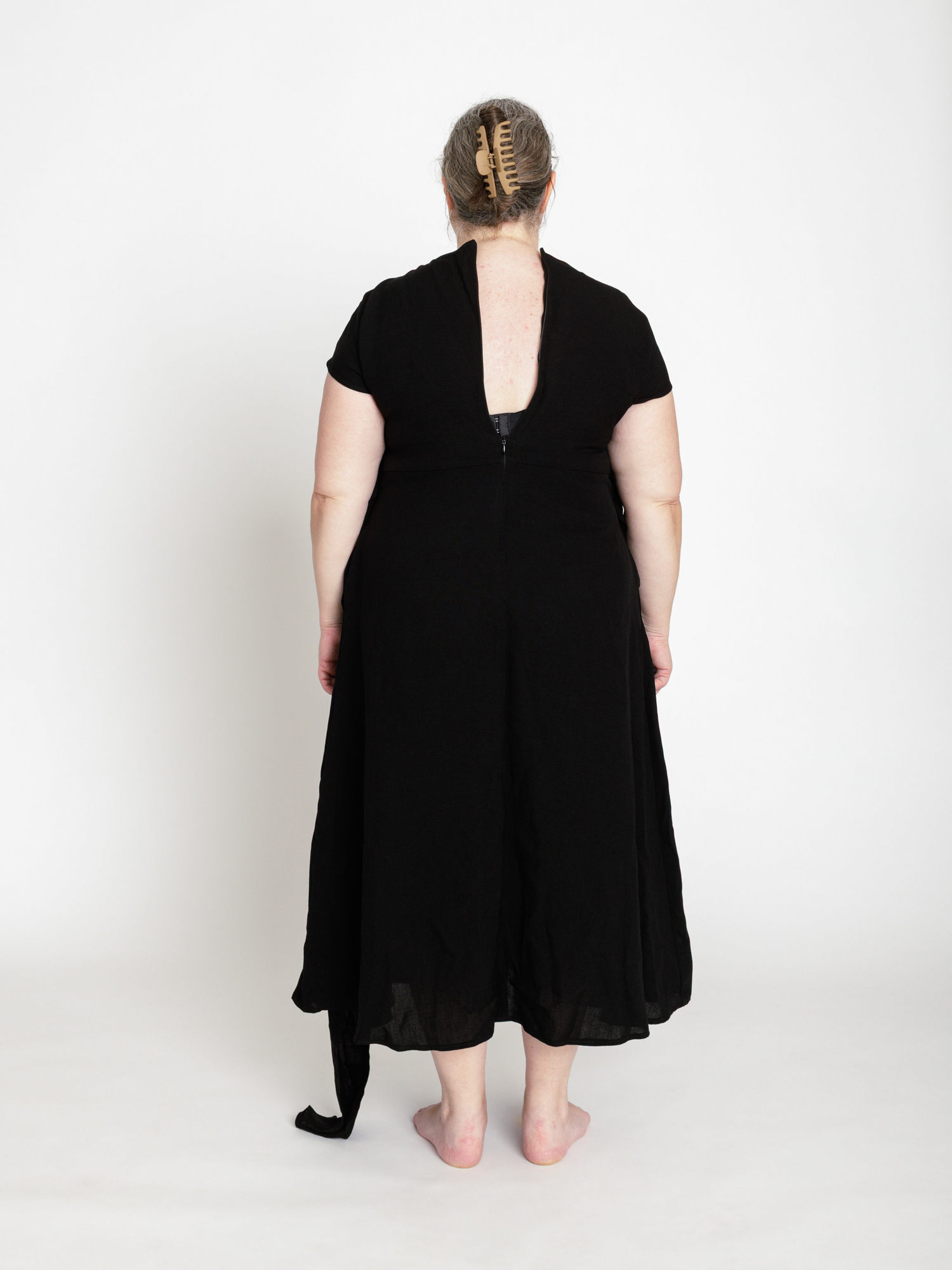
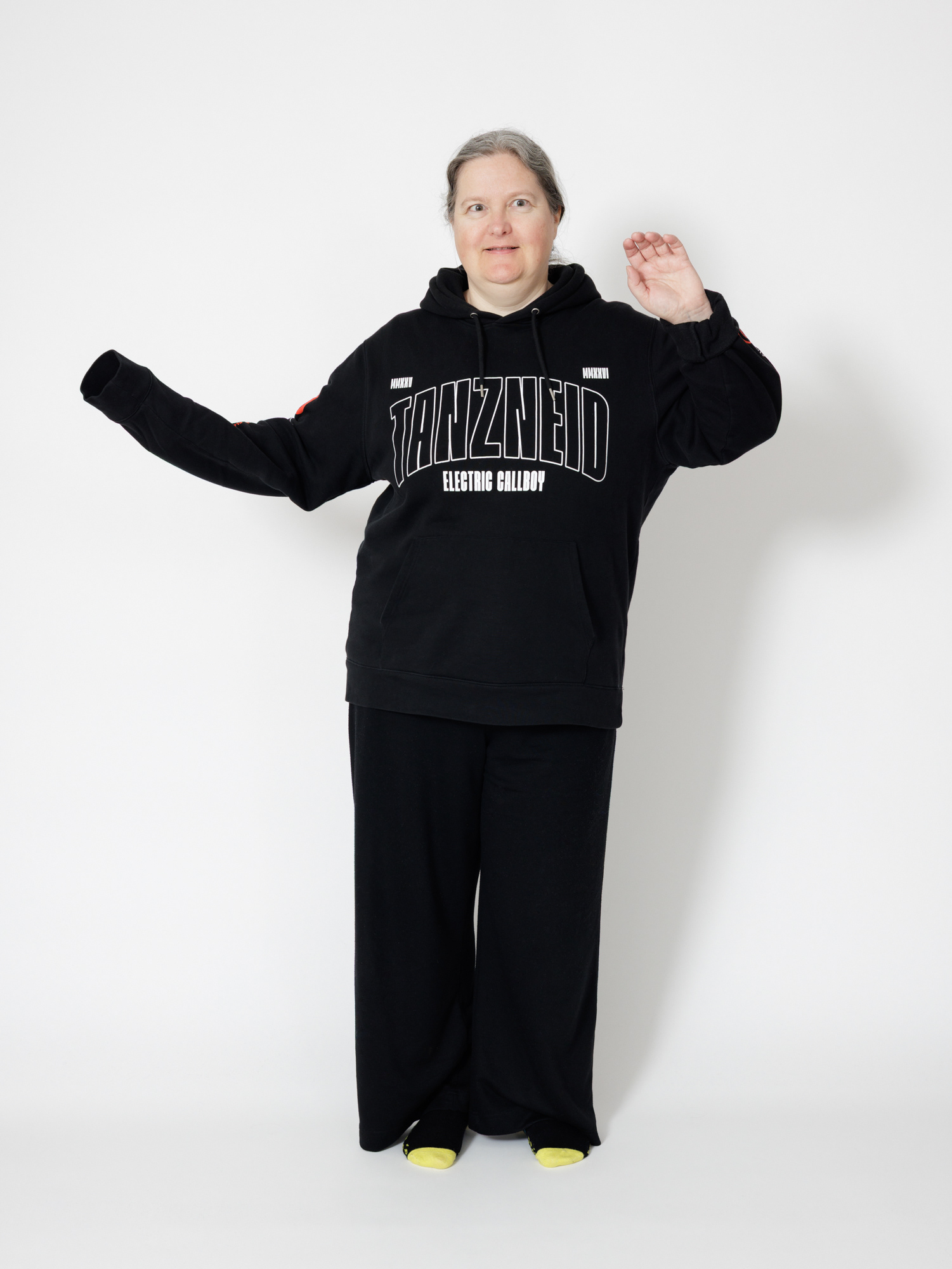
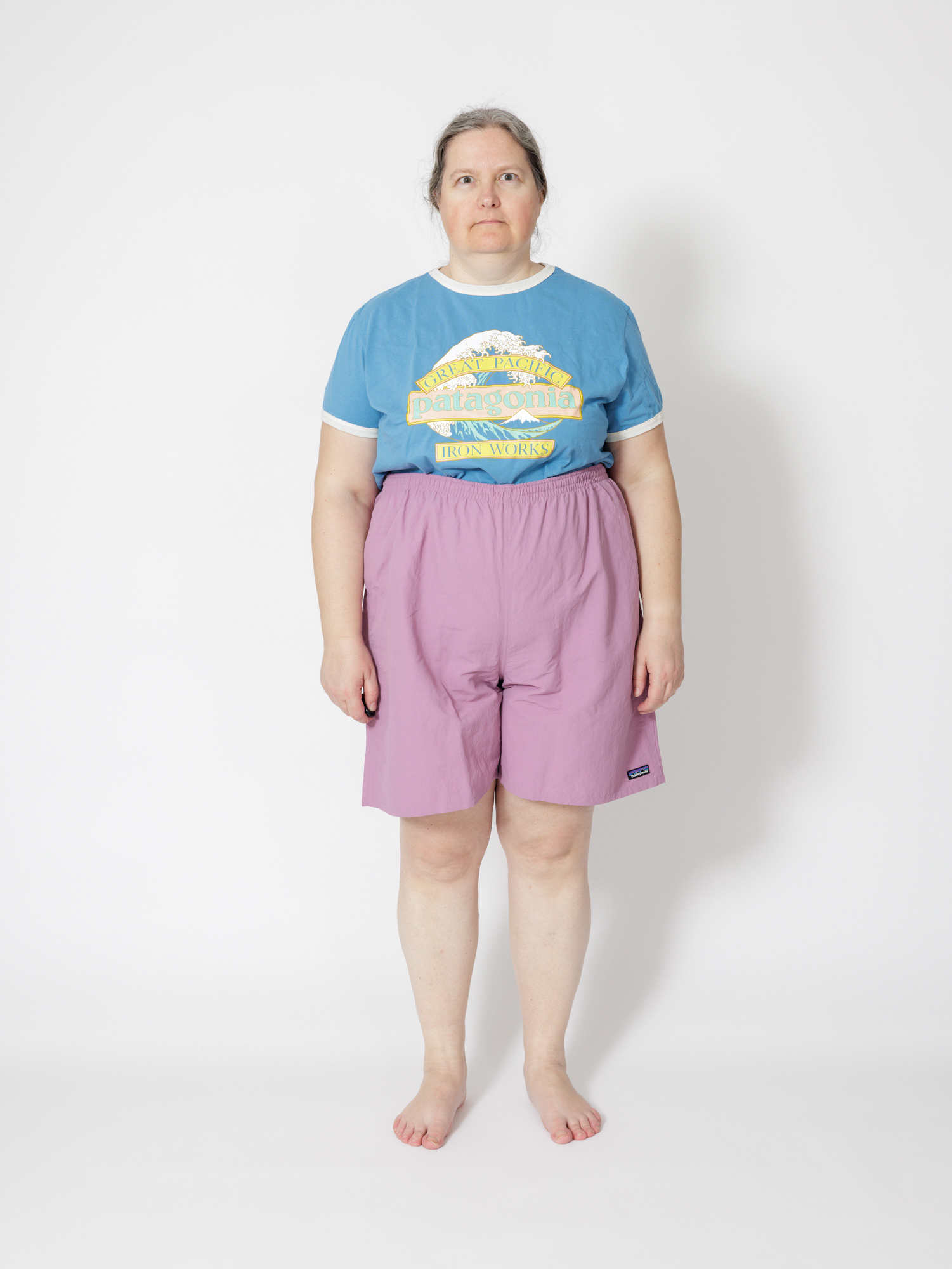
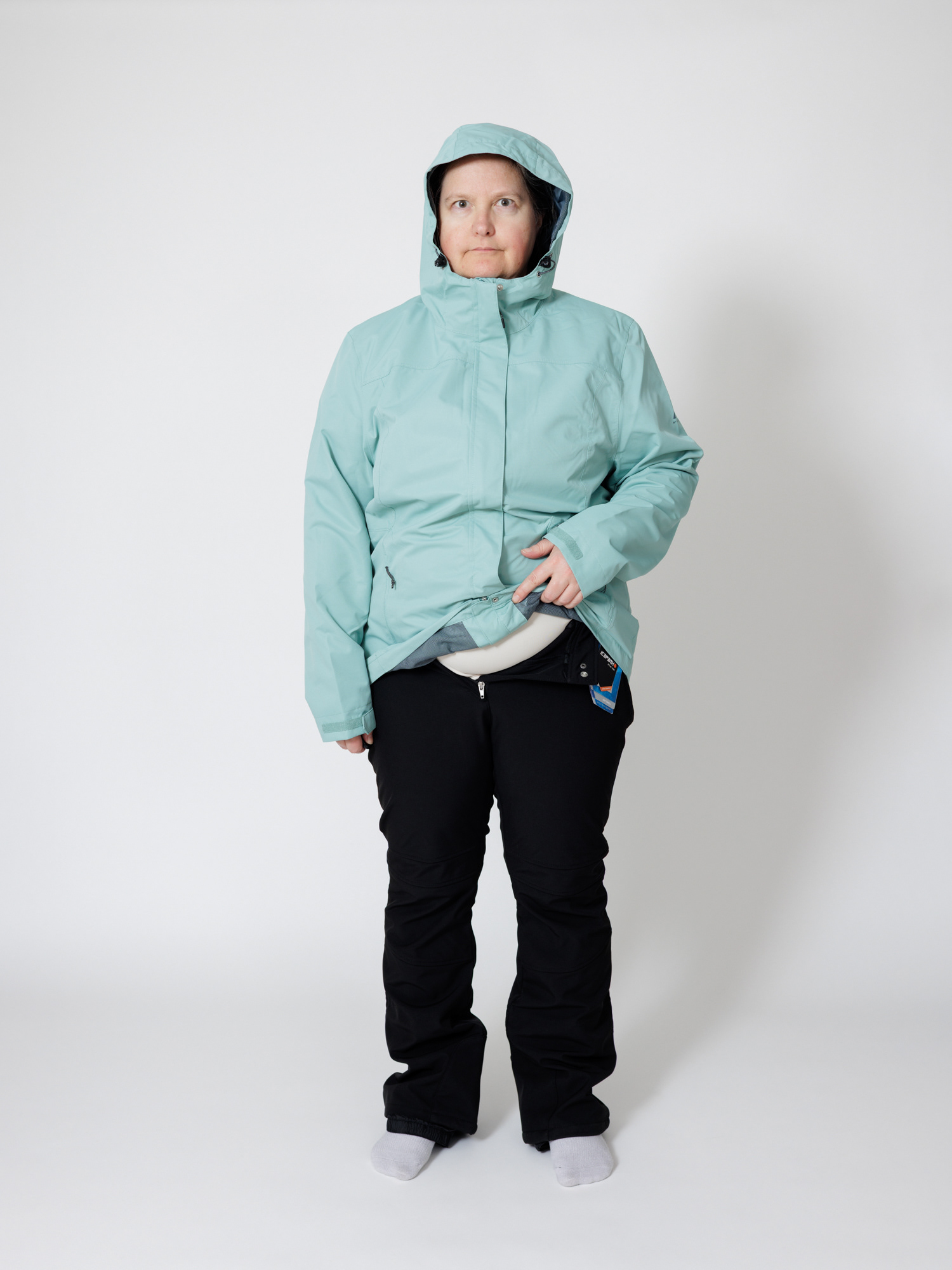
Born from personal experience of shopping while plus-sized and incorporating other related frustrations, Fitting In looks at what happens when the clothes we want to wear don’t fit, complicating our efforts to feel a connection with a group we desire to belong to. What does that do to our psyche, the way we feel?
How we feel influences the clothes we choose to wear, but the clothes we wear also affect the way we feel, a phenomenon known in psychology as enclothed cognition. When we’re sick or feeling down, we reach for the comfort of pyjamas. Pulling on our team’s jersey or wearing our favourite band’s t-shirt lets us feel closer to our heroes. The power dressing of the 1980s got that name for a reason, with the masculine silhouettes signalling a woman’s agency, to themselves as much as to others.
Consciously or unconsciously, we signal (desired) belonging to a certain group by the way we dress.
One hundred and fifty years ago, there was no question that clothes you owned should be made or adjusted to fit the body you have. In an age of plastic surgery and Ozempic, the current ideal seems to be to make the body fit the clothes available. Is this the way we want to proceed?
In Fitting In I use the visual language and plain backgrounds of the catalogue shoot to contrast the fantasy the clothing industry sells us against what is actually available, capturing the experience of the consumer and asking viewers to reflect on their own experiences as I nudge the fashion industry to see the people behind the bodies they clothe.